www.canva.com
Plantar fasciitis is a common and painful condition affecting the heel and bottom of the foot. It can make walking and daily activities challenging. Fortunately, there are effective strategies you can implement to alleviate the pain and potentially cure plantar fasciitis in just one week. This guide provides practical tips to help you on your journey to pain-free feet.
Understanding Plantar Fasciitis
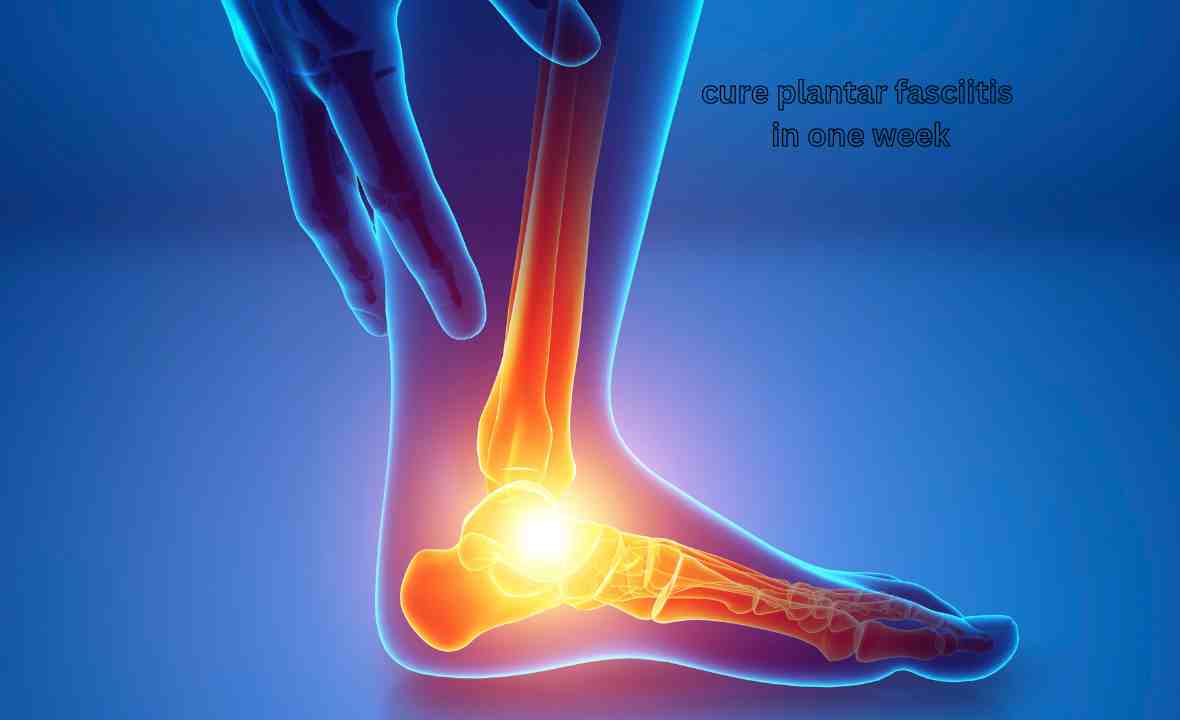
Before diving into the tips, it’s important to understand what plantar fasciitis treatment is. The plantar fascia is a thick band of tissue that runs along the bottom of your foot, connecting your heel bone to your toes. When this tissue becomes inflamed, it causes pain, especially with the first steps in the morning.
Rest and Foot Support
1. Prioritize Rest
“Giving your feet adequate rest is crucial. Avoid activities that put excessive stress on your feet, such as running or standing for long periods. Rest allows the inflamed tissue to heal. Additionally, wearing supportive shoes for plantar fasciitis can help reduce strain and provide comfort during the healing process.”
2. Use Supportive Footwear
Wearing shoes with good arch support and cushioning can significantly reduce the strain on your plantar fascia. Avoid walking barefoot or wearing unsupportive shoes like flip-flops.
Stretching and Strengthening Exercises
3. Stretch Your Calves and Plantar Fascia
Regular stretching can help relieve tension in the plantar fascia. Perform the following stretches twice daily:
- Calf Stretch: Stand facing a wall, place your hands on the wall, and step one foot back. Keep your back leg straight and your heel on the ground. Hold for 30 seconds and switch legs.
- Plantar Fascia Stretch: Sit with one leg crossed over the other. Pull your toes towards your shin to stretch the bottom of your foot. Hold for 15-30 seconds and repeat.
4. Strengthening Exercises
Strengthening the muscles in your feet and lower legs can provide better support to your plantar fascia. Try exercises such as:
- Towel Scrunches: Place a towel on the floor and use your toes to scrunch it up.
- Marble Pick-Ups: Use your toes to pick up marbles from the floor.
Ice Therapy and Pain Relief
5. Apply Ice
Ice therapy can help reduce inflammation and pain. Roll a frozen water bottle under your foot for 10-15 minutes, several times a day.
6. Take Over-the-Counter Pain Relievers
Nonsteroidal anti-inflammatory drugs (NSAIDs) like ibuprofen can help manage pain and reduce inflammation. Follow the dosage instructions on the package.
Night Splints and Orthotics
7. Use Night Splints
Wearing a night splint keeps your foot in a dorsiflexed position while you sleep, stretching the plantar fascia and Achilles tendon. This can help prevent morning pain.
8. Consider Orthotics
Custom orthotic inserts can provide additional support and cushioning, helping to alleviate plantar fasciitis symptoms. Consult a podiatrist for the best options.
Massage and Alternative Therapies
9. Massage Your Feet
Regularly massaging the bottom of your feet can help improve blood flow and reduce tension. Use your thumbs to apply gentle pressure along the plantar fascia.
10. Explore Alternative Therapies
Consider therapies such as acupuncture or shockwave therapy, which have shown promising results in treating plantar fasciitis. Consult with a healthcare professional to determine the best approach for you.
Conclusion
Curing plantar fasciitis in one week requires a combination of rest, supportive footwear, stretching, strengthening exercises, and pain relief strategies. By following these effective tips, you can significantly reduce your pain and expedite your recovery. Remember to consult with a healthcare professional if your symptoms persist or worsen. With dedication and the right approach, you can get back to enjoying your daily activities pain-free.
FAQs
Plantar fasciitis is an inflammation of the plantar fascia, a thick band of tissue that runs along the bottom of your foot, causing heel pain.
Prioritize rest by avoiding activities that stress your feet, such as running or standing for long periods, to allow the inflamed tissue to heal.
With dedication and the right approach, many people can significantly reduce pain and potentially cure plantar fasciitis in just one week. However, individual results may vary.
About the Author


