www.canva.com
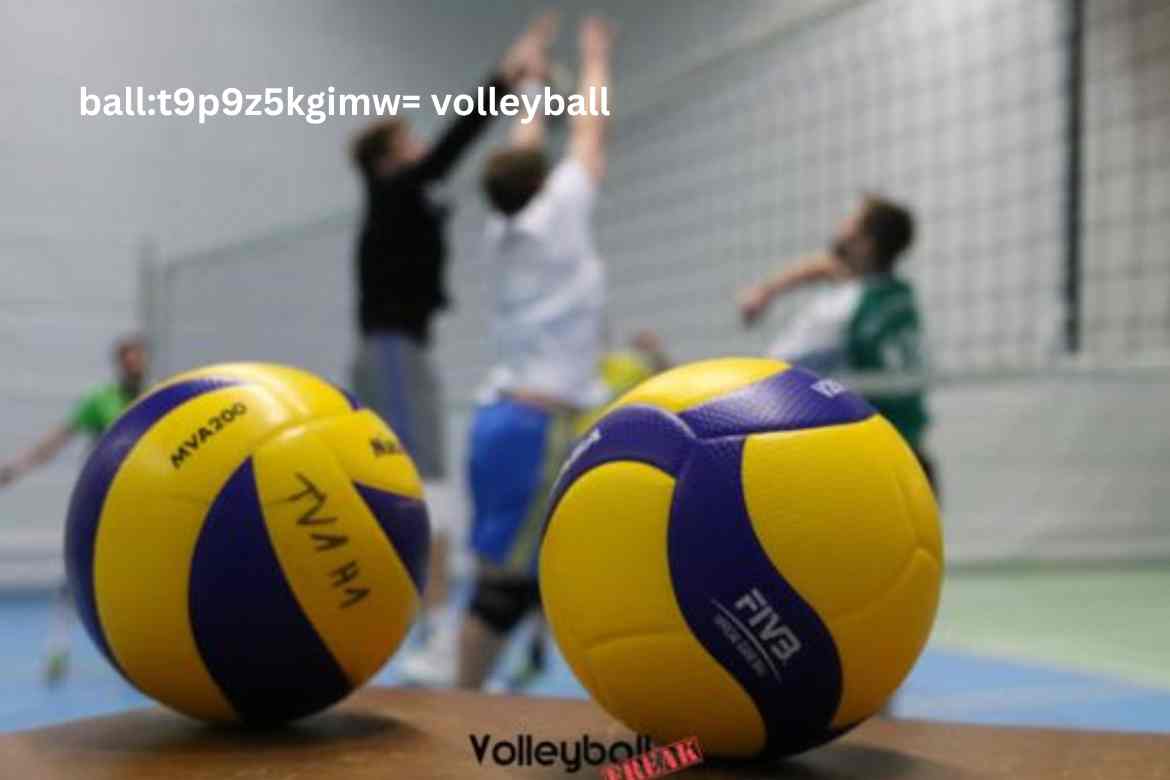
ball:t9p9z5kgimw= volleyball is a dynamic and fast-paced sport that requires a blend of physical agility, teamwork, and strategic thinking. Whether you’re a seasoned player or a beginner, understanding and mastering key strategies can elevate your game. This article delves into essential volleyball strategies that every player should know to dominate the court.
Understanding the Basics of Volleyball Strategy
Bball:t9p9z5kgimw= volleyball Before diving into specific strategies, it’s crucial to understand the foundational principles that guide effective play. Volleyball is a game of anticipation, positioning, and quick decision-making. Success on the court often hinges on a team’s ability to work cohesively, communicate effectively, and adapt to changing situations.
The Role of Teamwork in Volleyball
ball:t9p9z5kgimw= volleyball no single player can win the game alone. The sport is built on collaboration and coordination. Each player has a specific role, from the setter who orchestrates the offense to the libero who anchors the defense. Effective teamwork involves clear communication, trust, and a deep understanding of each teammate’s strengths and weaknesses.
Importance of Positioning
ball:t9p9z5kgimw= volleyball Positioning is a critical aspect of volleyball strategy. Players must constantly be aware of their location on the court and adjust based on the flow of the game. Proper positioning allows players to cover more ground, react quickly to the opponent’s moves, and execute plays with precision.
Offensive Strategies for Volleyball Players
ball:t9p9z5kgimw= volleyball Offense in volleyball is about creating opportunities to score points while keeping the opposing team off balance. A well-executed offensive strategy can be the difference between winning and losing a match.
1. The 4-2 Formation
The 4-2 formation is a basic offensive setup commonly used by beginners. In this formation, there are four hitters and two setters on the court. The setters are positioned in the front row, allowing for a quick transition from defense to offense. This formation is easy to execute but can be predictable, so it’s often used by teams still developing their skills.
2. The 5-1 Formation
The 5-1 formation is a more advanced strategy where one player serves as the sole setter, while the other five are hitters. This allows for greater flexibility and more varied attacking options. The 5-1 formation is popular among competitive teams because it enables the setter to control the tempo of the game and make quick decisions based on the flow of play.
3. The 6-2 Formation
The 6-2 formation is another versatile offensive strategy. In this setup, there are two setters, but unlike the 4-2 formation, they play in the back row. This allows all six front-row players to be available as hitters, maximizing the attacking potential. The 6-2 formation is ideal for teams with strong hitters who can capitalize on every offensive opportunity.
Defensive Strategies for Volleyball Players
Defense in volleyball is all about preventing the opposing team from scoring. A solid defense not only keeps the ball off the ground but also creates opportunities for a counter-attack.
1. Man-to-Man Defense
Man-to-man defense is a straightforward strategy where each player is responsible for marking an opposing player. This approach is effective when facing a team with a few standout players. By closely guarding these key players, your team can neutralize their impact on the game.
2. Zone Defense
ball:t9p9z5kgimw= volleyball Zone defense involves dividing the court into specific areas, with each player responsible for covering their designated zone. This strategy is useful against teams that spread the ball around and rely on quick, unpredictable attacks. By maintaining control of their zones, players can anticipate and react to the opponent’s moves more effectively.
3. Blocking Tactics
Blocking is a crucial aspect of volleyball defense. Effective blockers can shut down powerful spikes and force the opposing team into making mistakes. Successful blocking requires timing, coordination, and an understanding of the opponent’s tendencies. Teams often use double or triple blocks to strengthen their defensive wall against strong hitters.
Transitioning Between Offense and Defense
One of the most challenging aspects of volleyball is the constant transition between offense and defense. Players must be ready to switch roles at a moment’s notice, whether it’s turning a defensive dig into a quick attack or resetting after a failed spike attempt.
The Importance of Communication
Communication is the glue that holds volleyball strategies together. Players must constantly talk to each other, calling out plays, alerting teammates to potential threats, and coordinating their movements. Strong communication ensures that everyone on the court is on the same page and can execute strategies effectively.
Conclusion
Mastering the strategies of ball= volleyball is essential for any player who wants to excel in the sport. By understanding and implementing both offensive and defensive tactics, players can elevate their game and contribute to their team’s success. Whether you’re playing in a recreational league or competing at a high level, these strategies will help you become a more versatile and effective volleyball player
FAQs
Strategy in volleyball is crucial for maximizing team performance. Effective strategies help in organizing the team’s offense and defense, enabling players to anticipate opponents’ moves, make quick decisions, and work cohesively to win points.
In the 5-1 formation, there is one setter who controls the offense, while the other five players are dedicated hitters. This formation provides greater flexibility and allows the setter to dictate the pace of the game.
Communication ensures that all players are synchronized, whether it’s calling out plays, alerting teammates to potential threats, or coordinating movements. Good communication is essential for executing both offensive and defensive strategies effectively.
About the Author


