www.canva.com
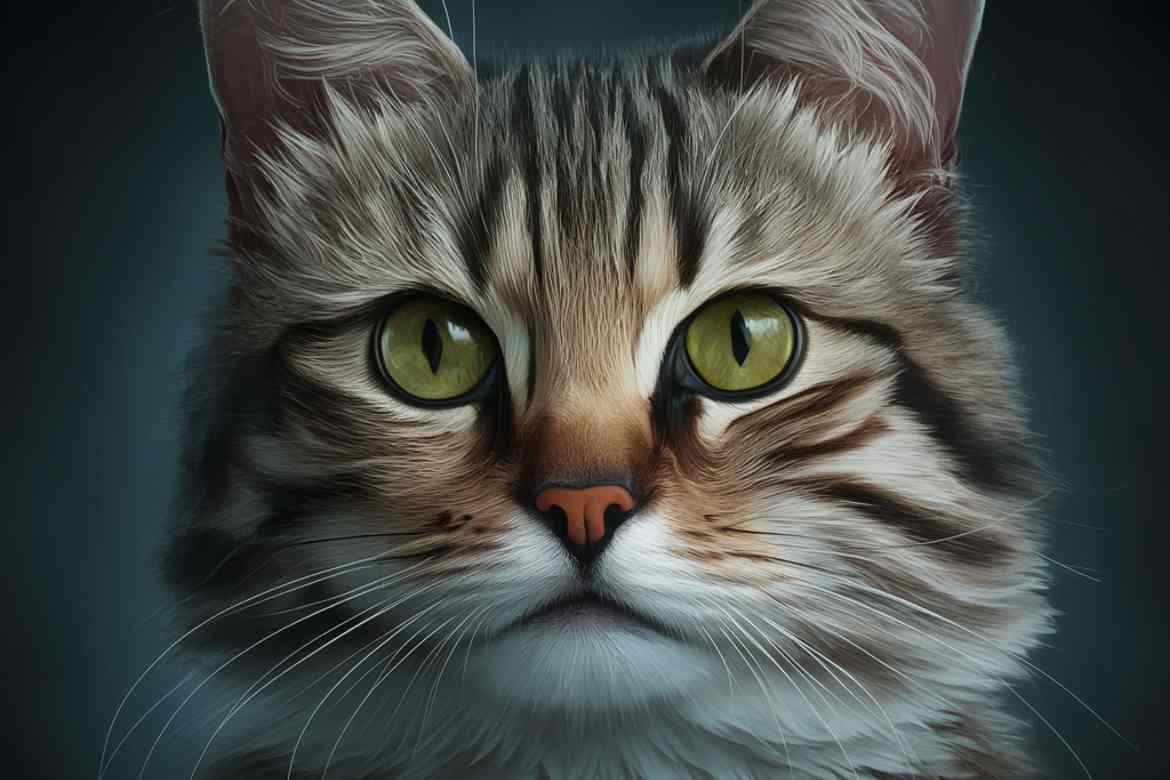
drawing:a4z_-ymtkr8= cat Cats have been a beloved subject for artists for centuries. Whether you’re a seasoned artist or a beginner, Drawing= Cat – The Ultimate Guide can be both fun and rewarding. In this guide, we’ll explore the essentials of creating a cat drawing, from understanding feline anatomy to adding your personal artistic flair.”
Understanding Feline Anatomy
“drawing:a4z_-ymtkr8= cat Before putting pencil to paper, it’s essential to grasp the basic anatomy of a cat. Cats have a sleek, flexible body structure that allows for a wide range of motion. Focus on these key areas in your [drawing= cat].”
- Head and Face: Cats have a distinctive head shape, with large eyes, a small nose, and pointed ears. Understanding the proportions of these features is crucial for capturing their likeness.
- Body Structure: Cats have a lean and muscular build. Their spine is highly flexible, allowing them to arch their backs dramatically. Pay attention to the proportions of the legs and torso.
- Tail and Paws: A cat’s tail is often expressive and adds to its overall balance. Paws, with their retractable claws, are small but powerful.
Choosing Your Drawing Style
drawing:a4z_-ymtkr8= cat There are many ways to draw a cat, depending on your artistic style and preference. Here are a few popular styles:
- Realistic: Focus on fine details and textures to create a lifelike representation of a cat. This style requires careful shading and attention to fur patterns.
- Cartoon: Simplified shapes and exaggerated features characterize this style. It’s a fun way to create a playful and expressive cat.
- Abstract: Use bold lines and shapes to convey the essence of a cat without focusing on realism. This style allows for more creativity and interpretation.
Step-by-Step Guide to Drawing a Cat
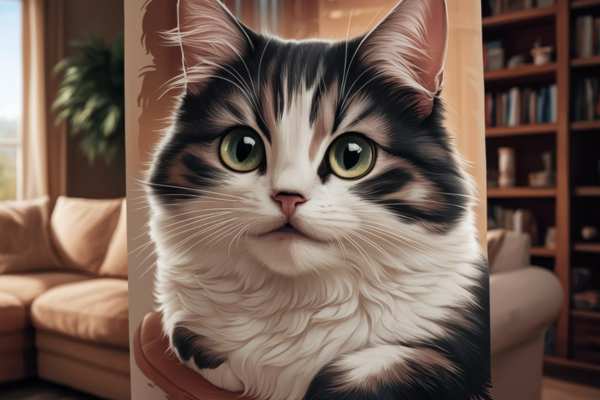
1. Start with Basic Shapes
“Begin by sketching the basic shapes that make up the cat’s body. Use circles for the head, torso, and joints. Draw a line to indicate the spine’s curve. For inspiration on adorable designs, check out [Kawaii:1v74hplstia= Cute Wallpapers].”
2. Outline the Body
Connect the shapes with smooth lines to form the outline of the cat’s body. Pay attention to the natural curves, especially along the back and legs.
3. Add Facial Features
Focus on the cat’s face. Draw the eyes, nose, and mouth, ensuring they are proportionate. The eyes are usually large and almond-shaped, giving the cat a curious expression.
4. Detail the Fur
Add texture by drawing short, quick strokes for the fur. Vary the direction and length to create a natural look. For a more realistic drawing, consider the direction the fur grows.
5. Finalize with Shading
Add shading to give your drawing depth. Lightly shade areas where shadows naturally fall, such as under the chin, along the legs, and behind the ears. For a more stylized look, you can experiment with bold, contrasting shadows.
Adding Personality to Your Cat Drawing
A great cat drawing captures not only the physical appearance but also the personality of the cat. Here are some tips to infuse character into your art:
- Expressive Eyes: The eyes are often the most expressive part of a cat. Experiment with different shapes and sizes to convey emotions like curiosity, playfulness, or calmness.
- Dynamic Poses: Cats are known for their graceful and agile movements. Try drawing your cat in a dynamic pose, such as leaping, stretching, or lounging.
- Unique Markings: If you’re drawing a specific cat, don’t forget to include its unique fur patterns and markings. These details can make your drawing more personal and recognizable.
Conclusion
Drawing a cat is a delightful artistic challenge that allows you to explore different techniques and styles. Whether you aim for realism or a more abstract approach, the key is to observe and understand the essence of the feline form. With practice and creativity, your cat drawing will come to life on the page. Happy drawing!
FAQs
When beginning a cat drawing, start with simple shapes like circles and ovals for the head, body, and joints. Use lines to indicate the spine’s curve and ensure the overall proportions are correct.
To achieve realism, focus on the cat’s anatomy, add fine details like fur texture, and use shading to create depth. Pay attention to the proportions of the head, body, and limbs, and use reference images to capture accurate features.
For realistic fur, use short, quick strokes in the direction the fur grows. Vary the length and direction of the strokes to mimic natural fur texture. For a stylized look, you can opt for bolder lines and simplified patterns.
About the Author


