www.canva.com
Robotics has been one of the most transformative technologies of the modern era. From industrial automation to cutting-edge medical devices, robots have integrated into multiple sectors of society. The development of robotics is a complex, multidisciplinary field involving engineering, artificial intelligence, data science, and more. This article delves into the key aspects of developing robotics and its future potential.
1. The Evolution of Robotics
Developing Robotics The journey of robotics dates back to the early 20th century when industrial machines were first introduced to automate repetitive tasks. Over time, these machines evolved into more sophisticated systems capable of handling complex tasks, such as assembly and material handling.
Key advancements in computing power, sensors, and machine learning have further fueled the progress in robotics. Today, robots are not only found in factories but also in homes, hospitals, and even space exploration missions.
Key Milestones in Robotics Development:
- 1920s: The term “robot” was first coined by Karel Čapek in his play R.U.R. (Rossum’s Universal Robots).
- 1961: The first industrial robot, Unimate, was deployed in a General Motors factory.
- 1990s: The advent of autonomous robots, such as the Mars rovers.
- 2020s: Development of AI-powered robots capable of decision-making and interaction with humans.
2. The Role of Artificial Intelligence in Robotics
Developing Robotics Artificial intelligence (AI) plays a crucial role in the development of modern robotics. Through machine learning algorithms, robots can learn from their environment and make decisions based on data inputs. This has led to the emergence of intelligent robots that can perform tasks autonomously, adapt to changes, and interact with humans.
Applications of AI in Robotics:
- Autonomous Vehicles: Self-driving cars rely on AI to navigate roads, detect obstacles, and make split-second decisions.
- Healthcare: AI-powered robots assist in surgeries, diagnosis, and patient care.
- Manufacturing: Robots use AI to optimize production lines, reduce errors, and enhance efficiency.
AI has transformed robots from simple, pre-programmed machines into adaptable systems that can work in dynamic environments. As AI continues to advance, the future of robotics looks even more promising.
3. Robotics in Industry 4.0
Developing Robotics Industry 4.0, or the fourth industrial revolution, is characterized by the integration of digital technologies like robotics, the Internet of Things (IoT), and data analytics into manufacturing processes. Robots, in particular, have been pivotal in enabling smart factories where automation, connectivity, and real-time data drive efficiency.
Features of Robotics in Industry 4.0:
- Collaborative Robots (Cobots): Cobots work alongside human operators, enhancing productivity while ensuring safety.
- Predictive Maintenance: AI and sensors in robots can predict equipment failures, reducing downtime in industrial operations.
- Customization: Robots can be programmed to produce customized products on demand, offering flexibility in production.
4. Challenges in Robotics Development
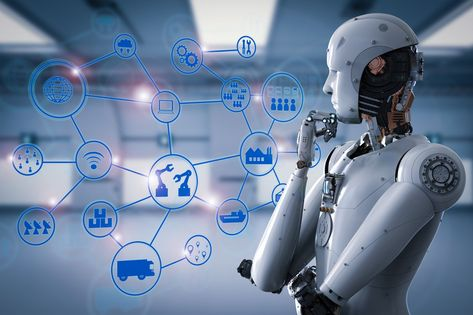
Developing Robotics While the field of robotics has made impressive strides, it still faces significant challenges. Developing intelligent, reliable, and cost-effective robots remains a complex task. Some of the primary challenges include:
Technical Challenges:
- Perception and Understanding: Robots need to accurately perceive their surroundings and make sense of unstructured environments.
- Mobility and Dexterity: Developing robots with human-like mobility and dexterity is challenging, especially for tasks requiring delicate precision.
Ethical and Social Challenges:
- Job Displacement: Automation in industries can lead to job loss, raising concerns about unemployment.
- Ethical Concerns: The development of autonomous robots, especially those used in warfare or surveillance, presents ethical dilemmas.
5. Future Trends in Robotics
The future of robotics is poised for exciting breakthroughs. As technologies like quantum computing, 5G, and advanced AI continue to evolve, we can expect robots to become more capable and integrated into society.
Emerging Trends in Robotics:
- Soft Robotics: These robots use flexible materials, allowing them to perform delicate tasks such as handling fragile objects or interacting with humans.
- Swarm Robotics: Inspired by the collective behavior of insects, swarm robotics involves multiple robots working together to achieve a common goal.
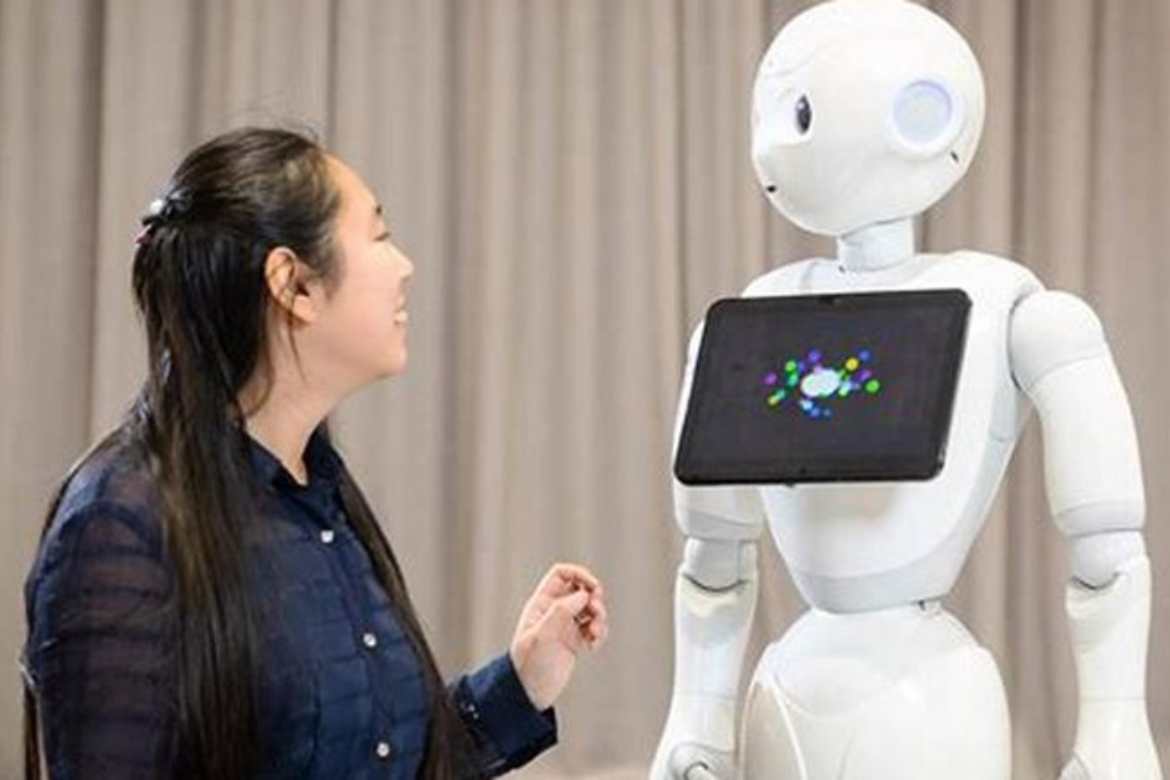
- Humanoid Robots: While still in their infancy, humanoid robots are being developed for tasks that require social interaction, such as customer service or elderly care.
6. Conclusion: A Robotic Future
The development of robotics is a fast-evolving field with the potential to revolutionize many industries. By combining AI, engineering, and data science, robots are becoming smarter, more efficient, and more integrated into our everyday lives. However, addressing the challenges—both technical and ethical—is crucial to ensuring a future where robots enhance, rather than hinder, human progress.
FAQs
Robotics is a field of technology focused on the design, development, and application of robots. Robots are programmable machines that can perform tasks autonomously or semi-autonomously, often using sensors, actuators, and artificial intelligence to interact with their environment.
Robotics has evolved significantly since the early 20th century. Initially, robots were basic machines used for industrial automation. Over time, advancements in AI, sensors, and computing power have led to more sophisticated robots that can operate autonomously, learn from their environment, and perform complex tasks in various industries such as healthcare, manufacturing, and space exploration.
Artificial intelligence (AI) is crucial to modern robotics as it enables robots to learn from their surroundings, make decisions, and adapt to changing environments. AI-powered robots can perform complex tasks autonomously, such as driving vehicles, assisting in surgeries, or managing smart factories.
About the Author


