www.canva.com
In an age where technology plays a crucial role in nearly every industry, convenience stores are embracing digital signage as a powerful tool to enhance customer experience, streamline operations, and drive sales. Digital signage involves the use of electronic displays to convey information, advertisements, promotions, and entertainment to customers. This technology has been particularly transformative for convenience stores, offering a dynamic and interactive way to engage customers and improve business performance.
As more consumers expect fast, personalized, and visually appealing shopping experiences, convenience stores are adopting digital signage to meet these demands. In this article, we’ll explore the advantages, applications, and best practices for implementing digital signage in convenience stores.
What is Convenience Store Digital Signage?
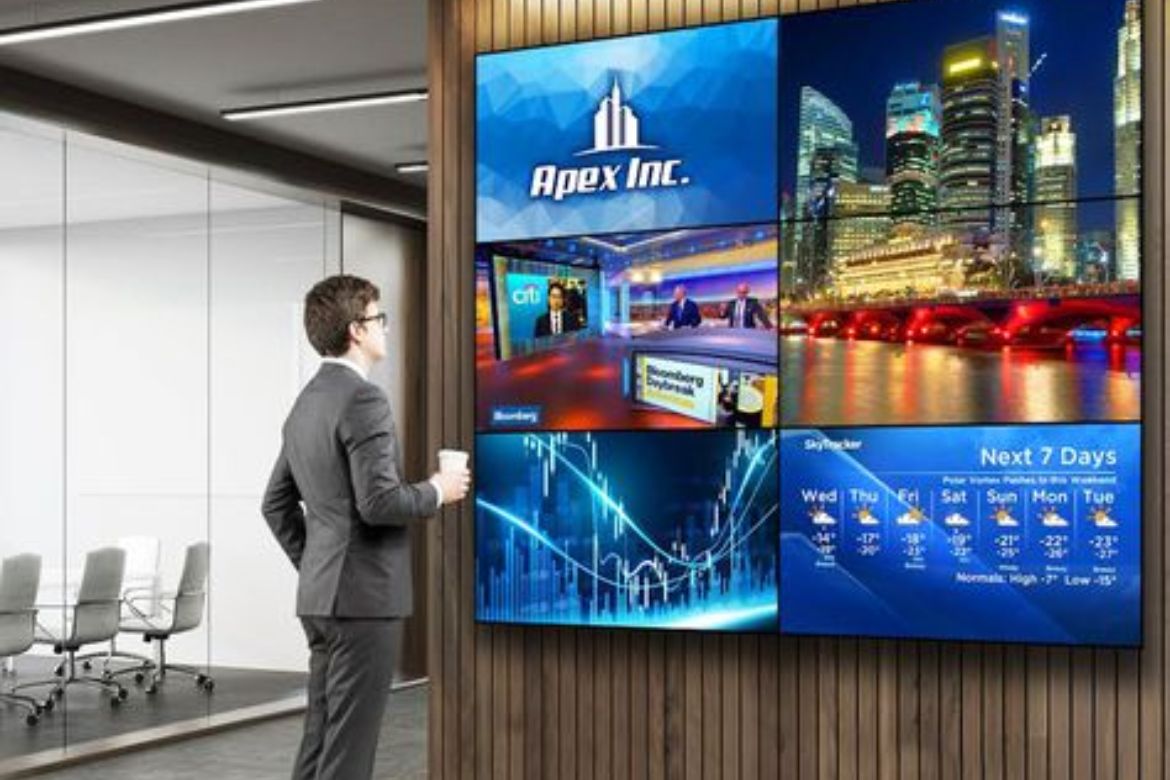
Digital signage for convenience stores refers to the use of digital displays such as screens, monitors, or LED panels to showcase various content. This content can include anything from product promotions and special offers to digital menus, news feeds, and entertainment. These displays are often positioned at key locations throughout the store, such as at the checkout counter, near high-traffic areas like aisles, or even in the store’s window to attract passersby.
Unlike traditional posters or printed advertisements, digital signage offers real-time flexibility, allowing store owners to easily update content remotely and schedule specific messages at different times of the day. The ability to deliver dynamic, targeted content is a game-changer for convenience stores looking to engage customers more effectively.
Key Benefits of Convenience Store Digital Signage
- Enhanced Customer Engagement
One of the biggest advantages of digital signage is its ability to engage customers in a way that static signage simply cannot. A dynamic, high-definition digital screen can attract attention with vibrant colors, motion graphics, and videos, which are far more captivating than static posters or signs.
For example, instead of a traditional sign offering a discount on energy drinks, a convenience store could display a video showing the benefits of the product, accompanied by a flashing call-to-action like “Limited-time offer: Save 20% today!” This sort of engaging content can drive more impulse purchases, particularly for products placed near the checkout counter.
- Real-Time Promotions and Customization
Digital signage allows for immediate updates, enabling convenience stores to tailor their messaging based on time of day, current promotions, or inventory levels. For instance, a store can promote morning coffee specials in the early hours and switch to lunch deals during midday or happy hour promotions in the evening.
Moreover, with digital signage, store owners can target specific demographics with personalized content. Through data analytics and digital tools, stores can monitor customer behavior and adjust content accordingly. If a store notices a higher footfall of certain customer segments, it can tailor messages to their interests, ensuring that customers feel like the content is relevant and personalized to them.
- Streamlining Operations
Beyond improving customer engagement, digital signage also plays a key role in streamlining store operations. For example, convenience stores often carry a wide variety of products, and keeping pricing and promotional signage up to date manually can be a time-consuming task. Digital signage solves this problem by allowing store owners to update prices, promotions, and content remotely and instantly.
Additionally, digital signage can display important operational information, such as store hours, safety protocols, and health guidelines, reducing the need for physical signage and helping to keep customers informed and satisfied. This can be particularly useful during busy times or special events when changes happen rapidly.
- Boosting Sales and Upselling
Digital signage provides a highly effective platform for upselling and cross-selling. By strategically displaying complementary products, convenience stores can encourage customers to purchase additional items. For instance, if a customer buys a sandwich, digital signage can display a prompt like, “Add a drink and chips for only $1 more!” This dynamic upselling can significantly boost average transaction values without the need for additional staff effort.
Furthermore, digital signage can help spotlight high-margin items or new products that the store wants to promote. Whether it’s a new snack line, a seasonal drink, or a limited-time offer, digital signage can increase awareness and drive sales by presenting products in a visually appealing way.
- Attracting New Customers
Convenience stores located in high-traffic areas can use digital signage as a way to attract passersby and increase foot traffic. Digital screens placed in store windows or near entrances can showcase enticing visuals, current offers, or even local news and entertainment that capture the attention of those walking by. This is particularly effective in urban settings or areas with a lot of foot traffic, where dynamic content can grab people’s attention and convince them to come inside.
Additionally, digital signage can display store promotions and loyalty programs, inviting new customers to try the store and get rewarded for repeat visits.
- Improved Brand Identity
In a competitive market, establishing a strong, recognizable brand is essential. Digital signage provides an opportunity to reinforce brand identity and message. Through consistent use of logos, color schemes, and brand-specific content, stores can enhance their overall image and make a lasting impression on customers.
For example, a store could feature a series of brand stories, community initiatives, or sustainable practices on their digital signage, helping customers feel connected to the store’s mission and values. When digital signage is effectively aligned with the store’s branding, it strengthens the customer’s emotional connection to the business.
Types of Content for Convenience Store Digital Signage
To make the most of digital signage, convenience stores should carefully consider the types of content they display. Here are some common types of content that can be used on digital signage in convenience stores:
- Product Promotions: Displaying limited-time discounts, flash sales, or bundling offers is a highly effective way to drive sales and attract attention to key products.
- Seasonal Offers: Seasonal promotions, such as summer specials, holiday deals, or back-to-school sales, can be easily featured on digital screens to capitalize on changing customer needs.
- Video Content: Short, engaging videos showcasing popular items, new arrivals, or even in-store events can increase engagement. This could also include how-to videos or brand stories.
- Interactive Content: Some convenience stores use touch-screen kiosks as part of their digital signage, allowing customers to browse store offerings, view special deals, or even order items in advance.
- In-Store Announcements: Digital signage can be used for practical purposes, such as displaying important store information, operational updates, safety reminders, or even local news and weather.
- Loyalty Program Highlights: Displaying information about loyalty programs and offering incentives for sign-ups can help build long-term customer relationships and repeat business.
How to Implement Digital Signage in a Convenience Store
Implementing digital signage in a convenience store is a relatively simple process, but it requires careful planning. Here’s a basic outline of how to integrate digital signage effectively:
- Evaluate the Space: Determine where digital signage will have the most impact in your store. High-traffic areas such as the checkout counter, aisles, and windows are ideal locations.
- Select the Right Display Type: Choose screens or digital displays that fit the layout of your store and meet your content needs. Screens should be large enough to catch customers’ attention but not too large that they become obtrusive.
- Design Engaging Content: Work with a designer or digital signage provider to create content that resonates with your target audience. Content should be visually appealing, easy to read, and aligned with your store’s branding.
- Install and Set Up: Work with a professional installer to ensure that the displays are correctly set up, with appropriate power and network connections.
- Update and Manage Content: Use a content management system (CMS) to update and schedule your content. Ensure that promotions, product information, and videos are regularly refreshed.
- Measure Performance: Track the effectiveness of digital signage by monitoring changes in sales, customer engagement, and foot traffic. Use this data to refine your digital signage strategy.
Conclusion
Digital signage is a transformative tool for convenience stores, offering a dynamic, flexible, and engaging way to communicate with customers, promote products, and streamline operations. With its ability to display real-time content, boost sales, and enhance customer experience, digital signage can help convenience stores stay competitive in an increasingly digital world. By adopting digital signage, convenience stores can modernize their marketing efforts, attract new customers, and ultimately increase revenue—making it a smart investment for the future of the industry.
About the Author


