www.canva.cpm
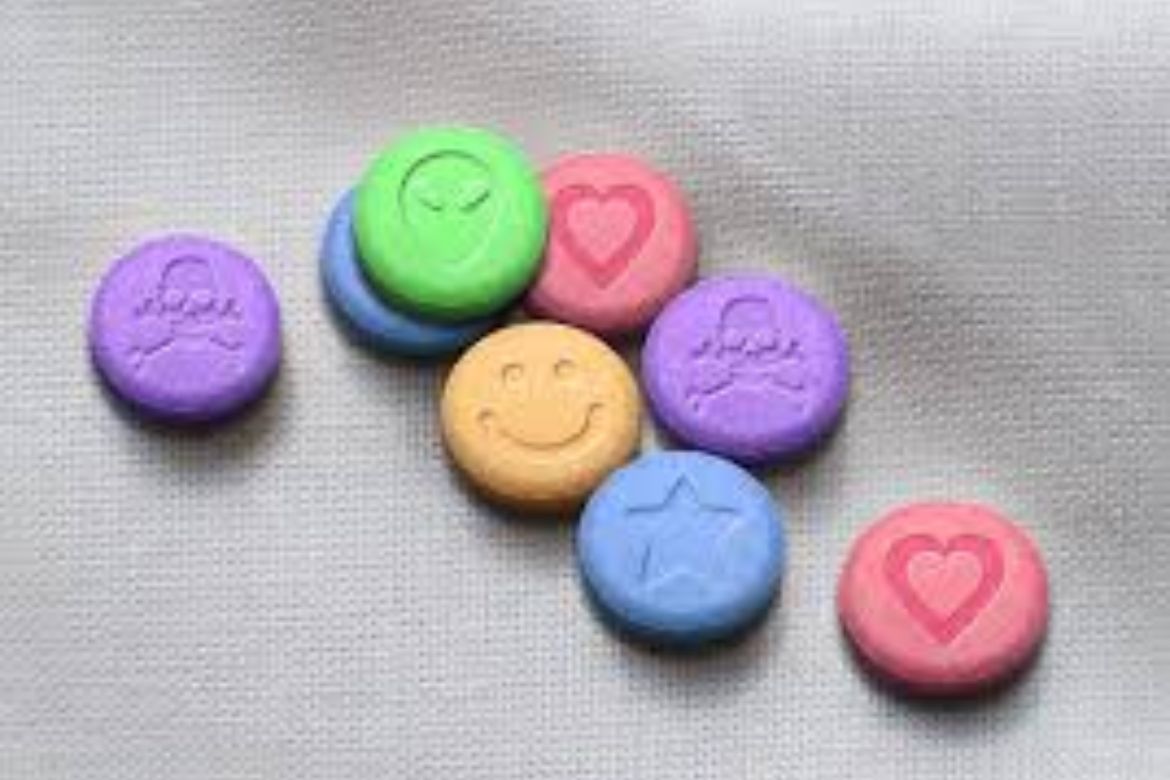
Molly, a street name for MDMA (3,4-methylenedioxymethamphetamine), is often seen as a party drug, known for enhancing mood and sensory perception. But is Molly addictive? This question has sparked debate, as its effects can lead to both physical and psychological dependencies. While users may chase the euphoric highs, the risks tied to Molly are significant.
Is Molly Addictive?
Many people who use Molly may not realize the addictive potential it holds. Although not as physically addictive as drugs like heroin or cocaine, Molly can create a strong psychological dependence. Over time, users may feel the need to consume the drug more frequently to experience the same level of pleasure, leading to patterns of abuse.
Repeated Molly use can also deplete serotonin levels in the brain, resulting in mood swings, anxiety, and depression. This cycle of chasing the “high” and managing the emotional lows increases the likelihood of dependence. So, is Molly addictive? From a psychological standpoint, the answer is yes.
Long-Term Effects of Molly Use
While Molly is marketed as a “pure” form of MDMA, it is often cut with other substances, including amphetamines or synthetic drugs, further increasing the addiction risk. Long-term users may experience memory loss, cognitive issues, and even damage to serotonin-producing neurons in the brain.
Seeking Help for Molly Addiction
If you’re asking, “Is Molly addictive?” and feel that you or a loved one may be struggling with dependence, it’s important to seek professional help. Treatment programs, such as those offered by Beachcomber, focus on both the physical and psychological aspects of addiction, providing the support needed for recovery.
Conclusion
While Molly may not create the intense physical cravings of other substances, its potential for psychological addiction is real. Understanding the risks and seeking help early can prevent long-term consequences.
About the Author


